Vetramil is a medical-grade honey care for healthy animal skin
Vetramil is a medical-grade, honey based skin care product line. Formulated with active enzymes and a naturally low pH, Vetramil provides effective, natural support for skin recovery and helps reduce the need for antibiotics in animals. Its antimicrobial activity results from the honey’s glucose oxidase enzyme and high sugar content, which create osmotic pressure and formation of a low pH.
Safe, effective, and easy to apply
The non-toxic essential oils used in Vetramil taste bitter to help reduce licking. Aditionally they support the natural defenses of the skin and make the products non-sticky, so easy to apply. Strict quality control ensures each honey batch is tested for pH, enzyme activity, water content and residues.
Vetramil’s honey products can be used in for example:
- Superficial and open wounds
- Lacerations, abrasions and avulsions
- Decubital ulcers
- Chronic and infected wounds
- Itchy skin and eczema
- Abscesses
- Wounds difficult to bandage
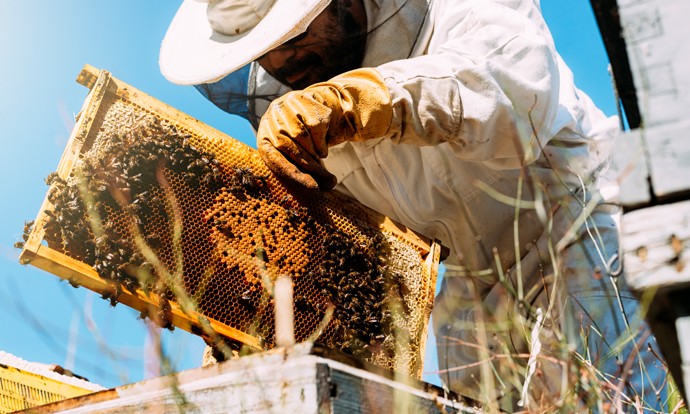
Vetramil: safe and effective veterinary care, backed by research since 2006
Vetramil is developed in 2006 by Bfactory in collaboration with Wageningen University & Research in The Netherlands. Our mission is to develop products that can be effectively used for all kind of skin issues in animals. The aim is that they must work well, be easy to apply (even on furry and hairy surfaces), minimize licking by the animal and - of course – be safe. Therefore each Vetramil product is grounded in scientific research and supported by years of clinical experience across Europe.
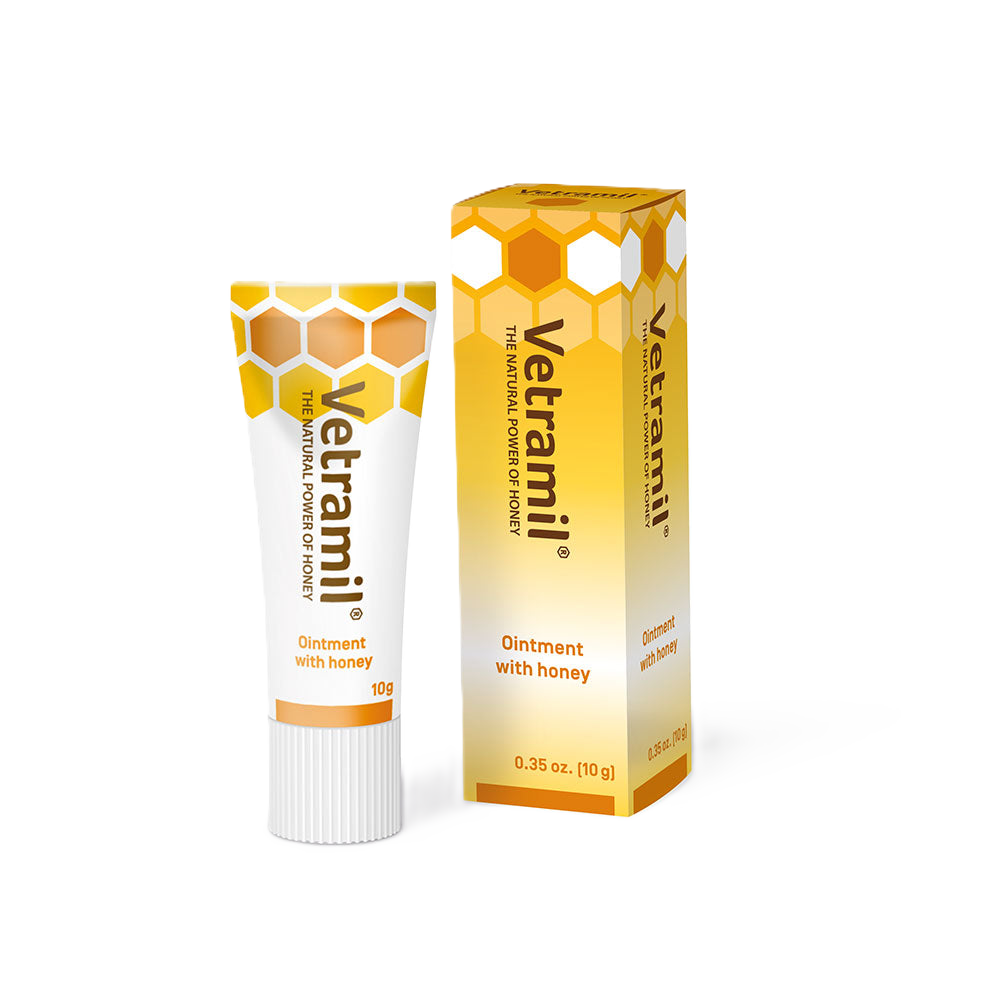
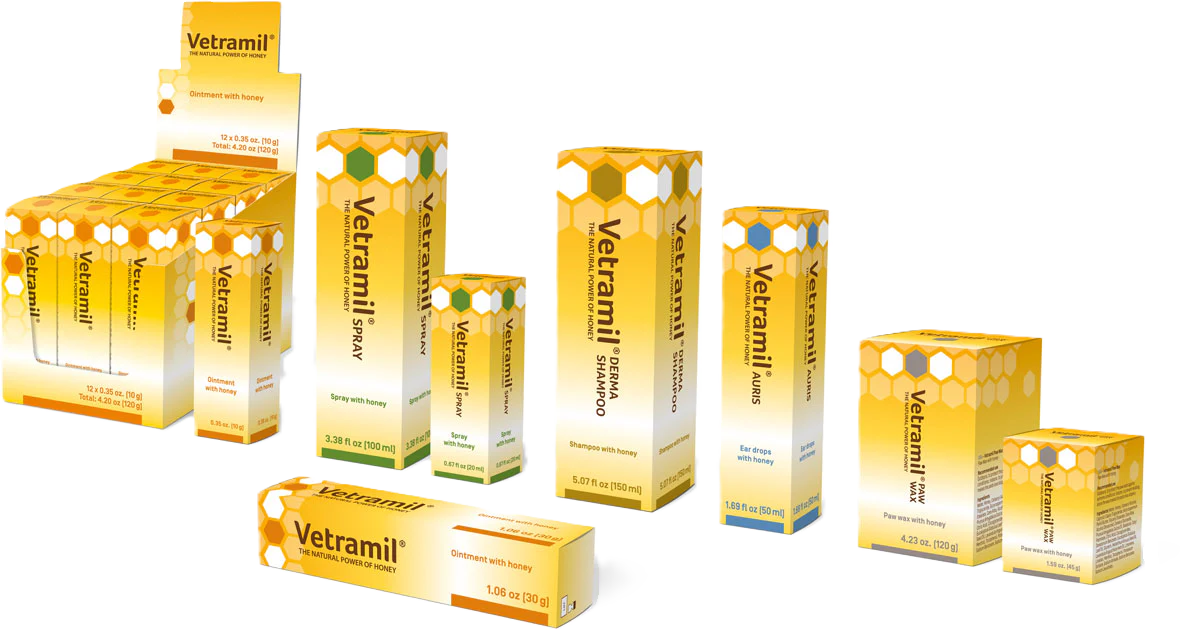
Vetramil Ointment:
the leading product to soothe and protect skin
Vetramil has been the preferred product in over 30 countries for 20 years to assist in the natural recovery of skin. Vetramil Ointment is the most popular product in the product family, with over 3 million tubes sold worldwide.
High grade honey
- High enzyme level
- Low pH
Non-toxic essential oils
- bitter taste reduces licking
- supports the natural defenses of the skin
Multifactor
- soothes sensitive skin
- protects vulnerable skin
- benefits healthy skin
Easy-to-use
- non-sticky
- easy at home compliance
What if a natural solution could transform your approach to wound care in veterinary medicine?
Through concrete explanations and case examples, this video presentation offers practical insights into role of medical-grade honey in veterinary wound care: its mechanisms of action, its clinical benefits, and the situations in which it can be particularly useful.
Proven natural wound care
Trusted by veterinarians worldwide, Vetramil harnesses the natural healing properties of honey to support recovery and comfort in animal patients. A natural choice backed by science!
Comparison of medical-grade and manuka honey in veterinary wound care
Did you know that honey used in veterinary medicine isn’t limited to Manuka? Discover why medical-grade honey stands out with its clinical properties and proven performance.
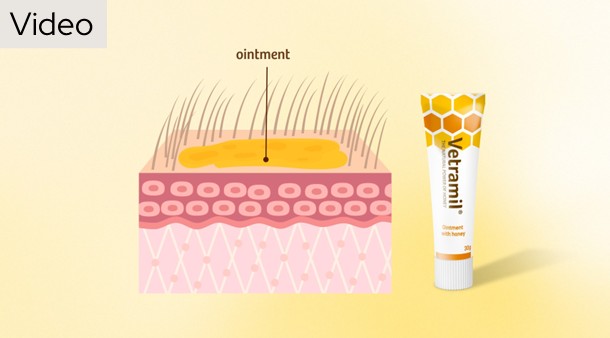
How does Vetramil medical-grade honey work?
Discover the science behind Vetramil. See how medical-grade honey helps protect the skin and supports the natural recovery process.
FAQs
Are there any corticosteroids or antibiotics in Vetramil?
There are no pharmaceutical substances in Vetramil.
Can animals be allergic to Vetramil?
Vetramil contains no preservatives and is residue-free. There are no substances in Vetramil to which animals are known to be allergic.
Why does Vetramil contain essential oils?
The essential oils in Vetramil help keeping animals from licking it. Additionally, they make it a pleasant ointment and are soothing for the skin’s condition.
What are essential oils?
Essential oils are volatile oils extracted from plants. They are also called aromatic or ethereal oils.
Can vetramil cause burning or stingning on sensitive skin?
We can't ask the animals, but we can draw from our own experience. If you apply Vetramil to a rough patch of your own skin, you will notice its soothing effect immediately!
Can vetramil contain Clostridium spores?
The sterilization process of the honey used in Vetramil guarantees the absence of viable Clostridium spores in Vetramil.
Does Vetramil contain Tea Tree oil?
Vetramil does not contain Tea Tree (Melaleuca alternifolia) oil, but it does contain Niaouli (Melaleuca quinquenervia) oil. Niaouli oil is a mild antibacterial oil with a much lower concentration of active ingredients (including terpenes) than Tea Tree oil. Answer Content
Do you have questions about Vetramil products or need assistance?