


 Dental health
Protecting our pet’s smile:
how mechanical dental care keeps dogs and cats healthy
- Published on January 1st, 2026

Powered by


When most pet parents think about their dog or cat’s health, dental care isn’t always the first thing that comes to mind. Yet, oral health plays a crucial role in pets overall well-being. By age three, studies demonstrate that most dogs and cats already show signs of dental disease—an issue that can lead to pain, infection, bad breath, and even problems affecting vital organs.
A healthier mouth starts today
In preparation for Dental Health Awareness Month, our team is shining a spotlight on the tools and techniques pet owners can use at home to help control plaque and tartar. While professional veterinary cleanings are essential, daily mechanical dental care is the most effective way to slow the buildup of debris that starts dental disease in the first place.
To encourage all pet owners to take a proactive role in their dog or cat’s oral care, we prepared a little guide to help them understand the importance of oral health and explain how daily mechanical cleaning—whether brushing, wipes, or dental chews—can dramatically improve their pet’s comfort, longevity, and quality of life.
Easy-to-follow guide to pet dental care
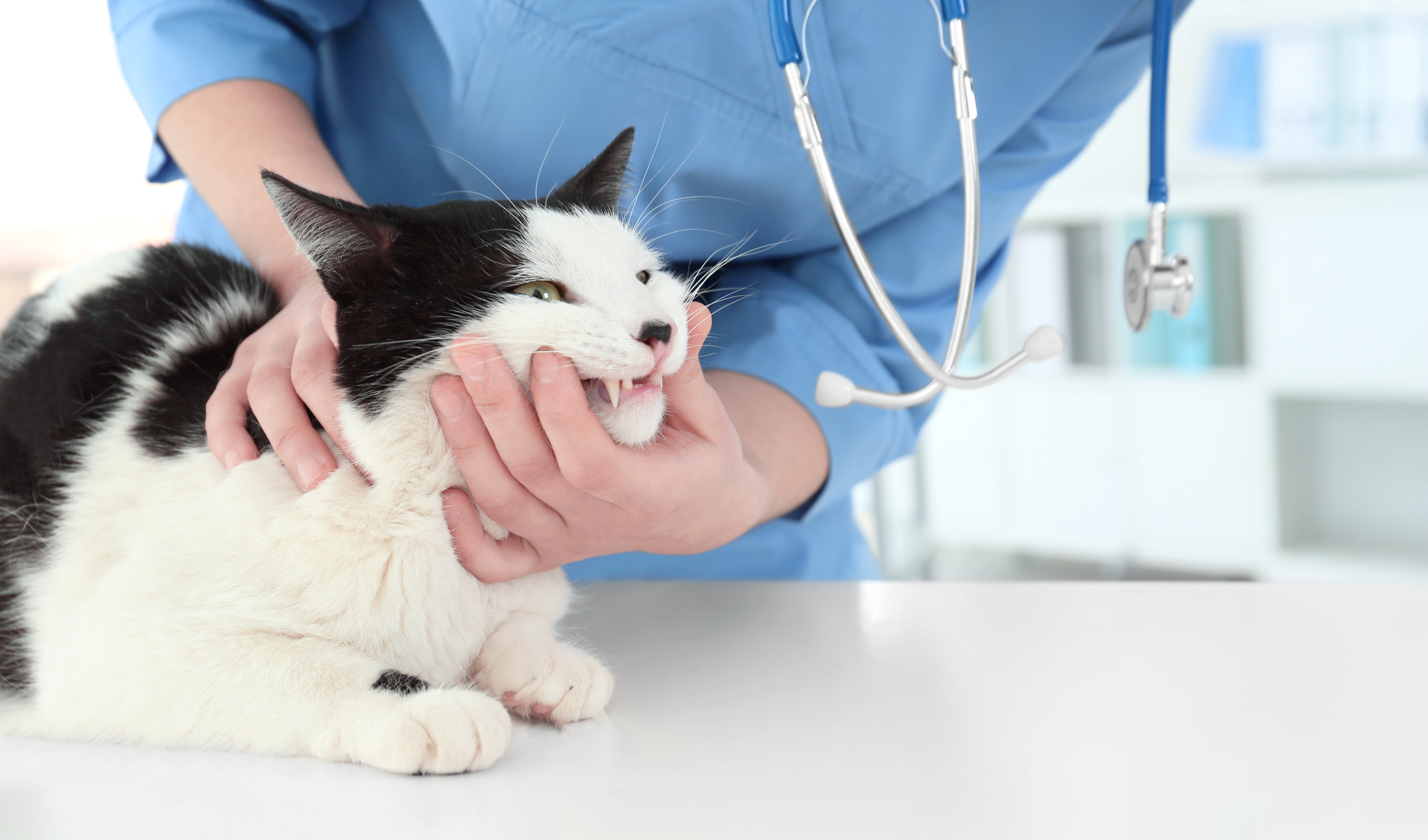
Understanding plaque and tartar
Let’s explore how plaque and tartar form, why they’re harmful, and which mechanical tools work best to keep your pet’s teeth clean and healthy.
Just like in humans, plaque is a soft, sticky film of bacteria that forms on the pet’s teeth every day. If plaque is not removed, it hardens into tartar—also known as calculus—within as little as 24 to 72 hours. Once tartar forms, it can’t be brushed away and must be removed with professional dental equipment during a veterinary cleaning.
Tartar is not just unsightly; it leads to gum inflammation (gingivitis), which can progress to periodontal disease. This condition weakens the structures that support the teeth and can cause pain, difficulty eating, tooth loss, and the spread of bacteria through the bloodstream.
Mechanical dental care interrupts this process by physically removing plaque before it can harden.
Mechanical dental care: the gold standard for plaque control
Mechanical cleaning means any action that physically scrubs plaque off the tooth surface. While there are many types of dental products available for pets, mechanical tools remain the most reliable and effective at-home method for daily plaque control.
Here are the most important-and practical- options for dog and cat owners:
1. Daily toothbrushing: the most effective tool
Toothbrushing is the gold standard of dental care for pets. Using a soft-bristled pet toothbrush and a veterinary-approved enzymatic toothpaste provides the best defense against plaque.
Tips for successful brushing:
- Start slowly: Let your pet taste the toothpaste and become comfortable with your hands near their mouth.
- Use small, circular motions: Focus on the outer surfaces of the teeth (facing the cheek), where plaque accumulates the fastest.
- Aim for daily brushing: Every 24 hours is ideal since plaque forms continuously.
Most pets can learn to tolerate brushing with patience and positive reinforcement—and even older pets can get used to it when introduced gradually.
2. Dental chews: a helpful aid for dogs
Dental chews are designed to encourage scraping action as dogs bite and chew. The texture, shape, and resistance help mechanically reduce plaque and tartar buildup. Some chews also contain enzymes or other ingredients that complement mechanical cleaning.
When choosing dental chews:
- Look for options tested and approved by veterinary dental organizations (such as those with the VOHC seal).
- Choose chews appropriate for your dog’s size and chewing strength.
- Always supervise chewing to avoid choking or swallowing large pieces.
Chews are especially helpful for dogs that resist toothbrushing, though they should be used in addition to, not instead of, brushing whenever possible.
3. Dental Wipes: a great choice for cats and small dogs
For pets that strongly resist toothbrushing, dental wipes offer a gentle alternative. While they don’t clean as deeply as chews, they still remove plaque mechanically and are easier for many owners to handle.
Dental wipes work best when:
- Used daily or at least several times per week.
- Owners gently rub the gumline and tooth surfaces with the textured wipe.
- Paired with other dental products, such as chews or dental diets.
Cats, in particular, often tolerate wipes far better than toothbrushes.
4. Dental toys for dogs
Certain dog toys—especially rubber, nylon, and rope toys—can help reduce plaque as dogs naturally chew and play. While they are not as effective as brushing or dental chews, they provide additional mechanical action and enrichment.
Choose sturdy toys made specifically for dental health, and avoid extremely hard items like bones, antlers, or metal that can fracture teeth.
Why mechanical tools matter more than you think
While water additives, powders, and dental diets can support dental care, mechanical action remains the foundation of plaque control. No supplement can replace the effectiveness of physically scrubbing the teeth. Think of it this way: even with mouthwash or dental treats, humans still need to brush their teeth. Pets are no different.
Professional cleanings: still essential
Even with excellent home care, pets need periodic professional dental cleanings performed under anesthesia. This allows your veterinary team to:
- Remove tartar above and below the gumline
- Check for hidden dental problems
- Take dental X-rays
- Polish the teeth to slow future plaque buildup
Mechanical home care helps keep your pet’s mouth healthier between professional cleanings and can reduce how often cleanings are needed.
Helping clients commit to better dental care
Veterinarians play a vital role in empowering pet owners to take charge of their dog’s and cat’s dental health. Dental Month is the perfect opportunity to start meaningful conversations, demonstrate proper techniques, and guide clients toward practical tools they can use at home.
By showing pet parents how simple daily habits—like brushing, offering approved VOHC dental chews, or using dental wipes—can make a real difference, we help them feel confident rather than overwhelmed.
Visual aids, hands-on demonstrations, take-home dental kits, and personalized recommendations based on each pet’s needs can greatly increase compliance.
When clients understand that dental care is not just about fresh breath, but about preventing pain, infection, and long-term health issues, they are far more motivated to participate. By celebrating small steps, offering encouragement, and making dental care part of every routine wellness discussion, veterinarians can inspire pet owners to invest in their pets’ oral health all year long—not just during Dental Month. The result is happier pets, healthier mouths, and stronger client-veterinarian partnerships built on trust and shared care.

Shape makes the difference!
Discover the only science-backed, patented, award-winning dental cleaning treat that safely removes hardened tartar.